Buenos Aires, December 11 (NA) – The union chapter of the labor modernization project introduces substantial amendments to the trade associations regime (Law 23.551) that alter the conditions under which union activities are carried out within companies.
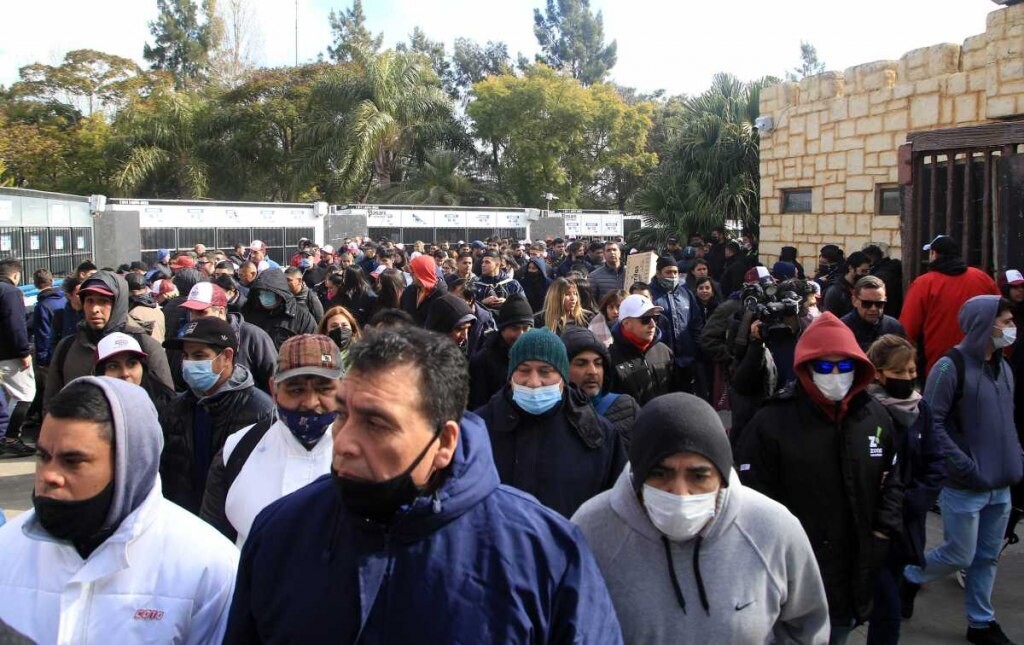
One of the most significant reforms is the inclusion of article 20 bis, which establishes that assemblies and congresses convened by union representatives within the premises «will require prior authorization from the employer» regarding the schedule, duration, and location.
The text, accessed by the Argentine News Agency, adds that these meetings cannot «affect the normal development of the company's activities or cause harm to third parties» and that workers «will not earn wages during the duration of the assembly».
The project also incorporates article 20 ter, which classifies a series of conduct related to strike actions as «very serious infractions»: affecting the freedom of work for those who do not adhere, blocking or taking over a premises, preventing the entry or exit of people and things, and damaging people or property of the company or third parties.
The union entities responsible for these actions «will be subject to the application of the sanctions established by the regulation», without prejudice to individual civil and criminal liabilities.
Regarding the credit hours for delegates, the amendment to article 44, subsection c) establishes a limit of «up to ten paid monthly hours» for the exercise of union functions, unless the collective agreement provides for a longer period.
The new text of article 52 specifies that the special protection against dismissals and changes in working conditions «will only apply to delegates and other main union representatives who have been legally elected» and explicitly excludes «alternates and congress delegates».
The project also incorporates article 53 bis, which defines «unfair practices of trade associations», a concept that so far only existed for employer conduct.
Among them are: interfering in the company's normal activities, promoting compulsory affiliation, exercising extortionate conduct against workers or employers, taking reprisals against non-adherents to strike measures, refusing to bargain collectively, and not complying with mandatory conciliation.
The sanctions for these practices may reach up to 20% of the income from dues for the month of the infraction, with increments of 10% for every five days of delay.
Furthermore, it clarifies that this time «cannot affect or interrupt the normal activities of the work area».
Union tutelage also suffers modifications. In cases of repeated recidivism, the authority may revoke the legal personality or union registration.